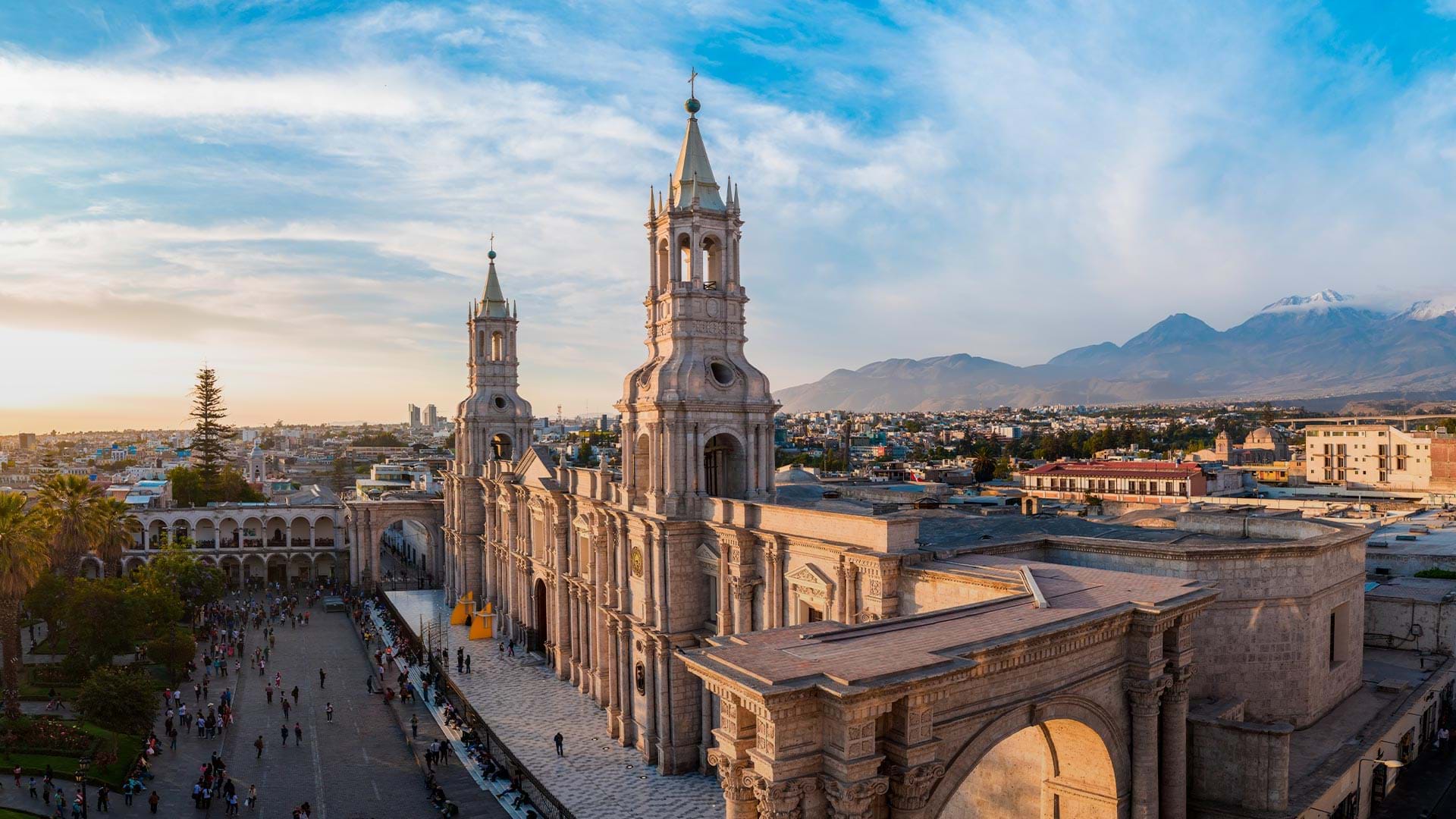
1st day:Arequipa-Toro Muerto Petrogliphs-ChuquibambaCotahuasi (380 km in 4x4 mini-truck)
We leave Arequipa at 7am to start the 380 km ride by 4x4, heading in the direction of the "petrogliphs of Toro Muerto", located in the Corire district, about 3 hours from Arequipa. Here there are around 5 miles of engraved stones to be seen. These engravings are dated between 700 & 800 AD, from the time of the Wari culture.
On this tour (Toro Muerto Petrogliphs), it will give us the opportunity to explore the numerous stones & rocks, and their different meanings.
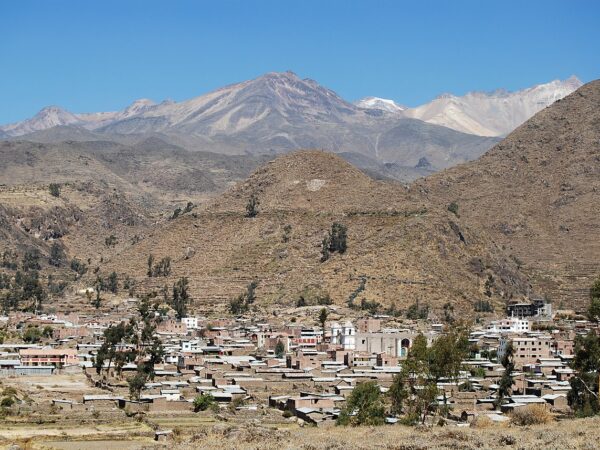
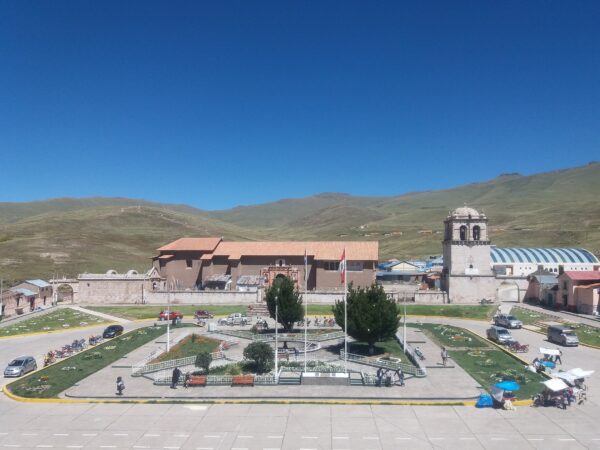
Continuing to the Valley of Majes, we will pass the many rice cultivations and vineyards of the region, also we'll visit the village of Chuquibamba, which is known for its cheese & avocados. Here, we will have the option of visiting a little museum dedicated to the local preInca culture of the "Pachanas".
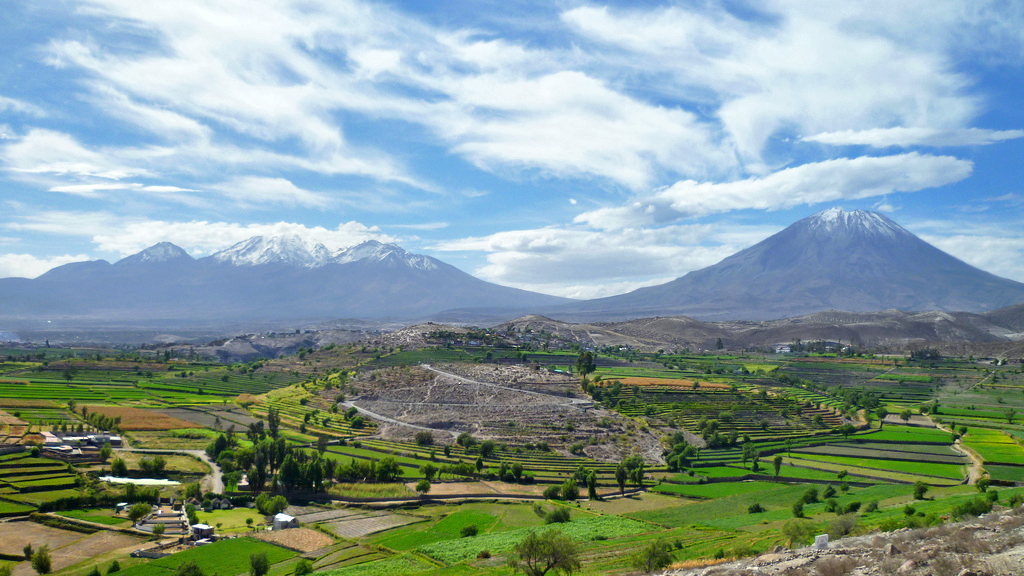
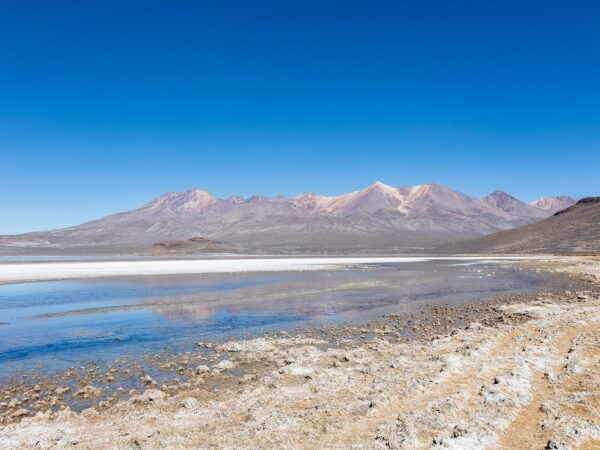
After Chuquibamba, we will enter an area at 4,700 m. altitude, where there is an amazing view over snowy Coropuna (6,425 m).
Just behind the lagoon of Pallarcocha is a magnificent landscape, representative of the south Peruvian Andes. It is important to note that the snowy Coropuna is the tallest volcano in Peru. For the ancient Incas, it was the “apu”, the most important holy mountain in the south of the country.
At the end of the day, we will arrive in Cotahuasi (2,600 m.) after about a 10-hour ride.
Cotawasi is the capital of La Union province, and it's the place where we will be spending the night at a local hostal.
2nd day: Cotahuasi - Sipia - Chaupo
This trek is mostly desert, but there is a geological richness to be observed. The climate will be rather hot, as the region is not high above the sea level (around 2,000 m). We use a donkey (to transport the drinking water & meals). Also, one horseman is provided.
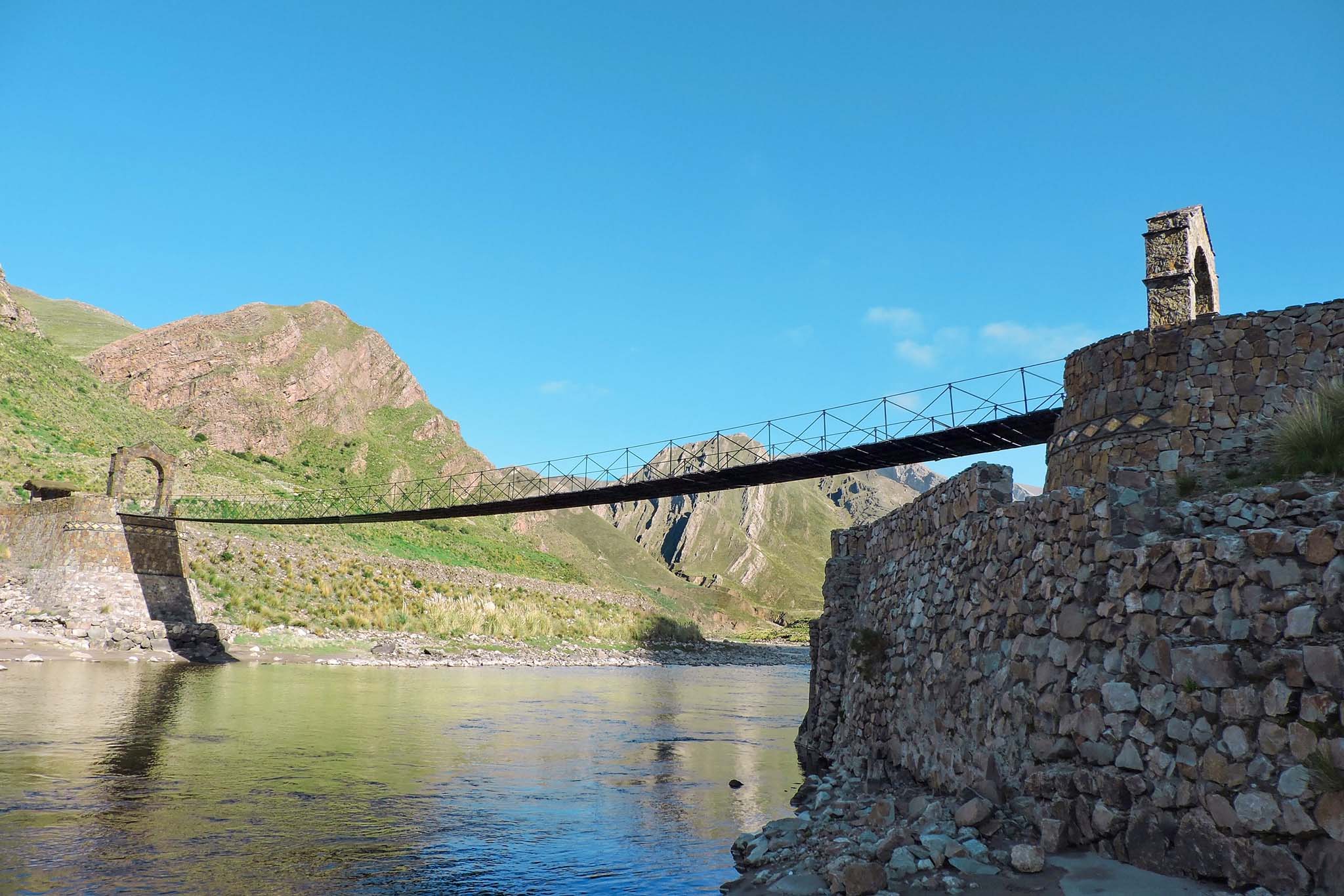
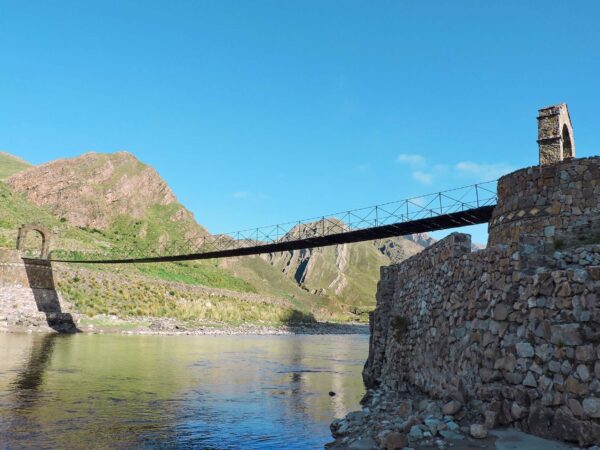
After breakfast, we will continue by truck crossing the Cotahuasi river over the bridges of Cuyao and Sipia.
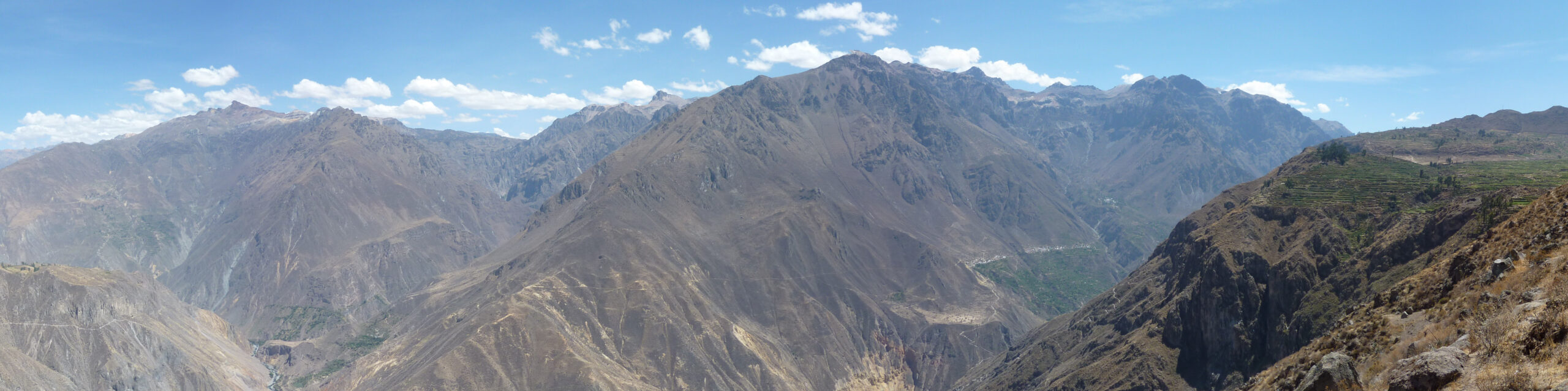
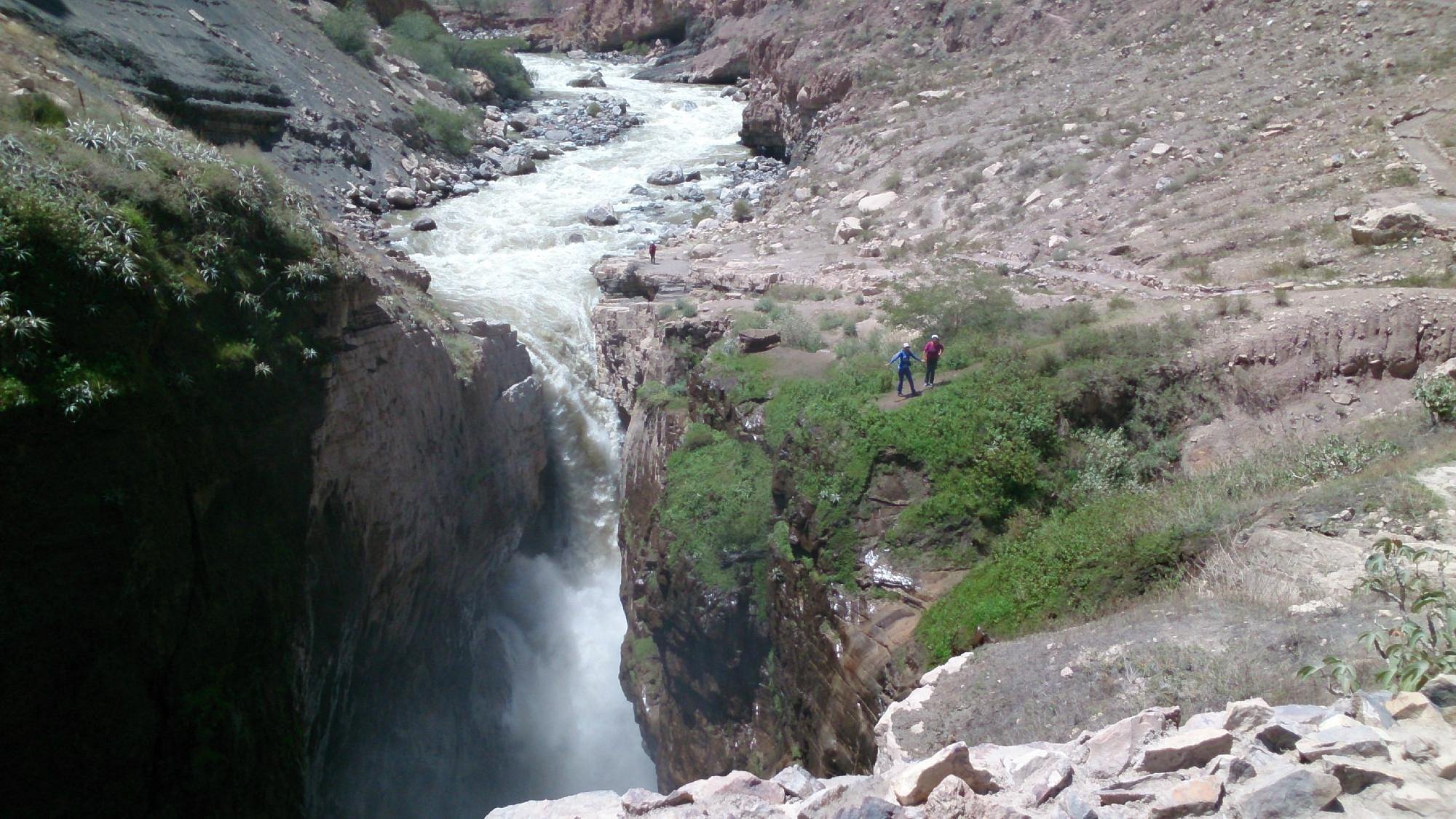
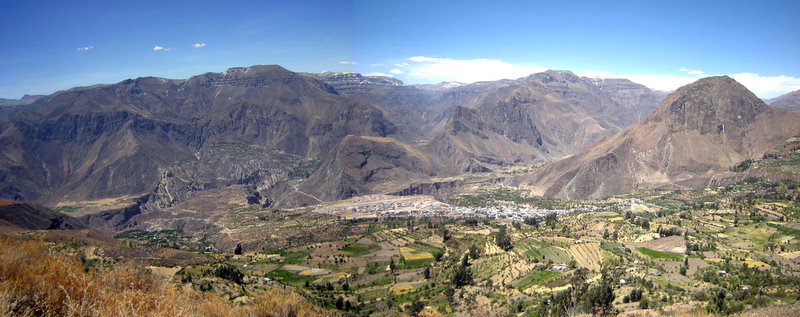
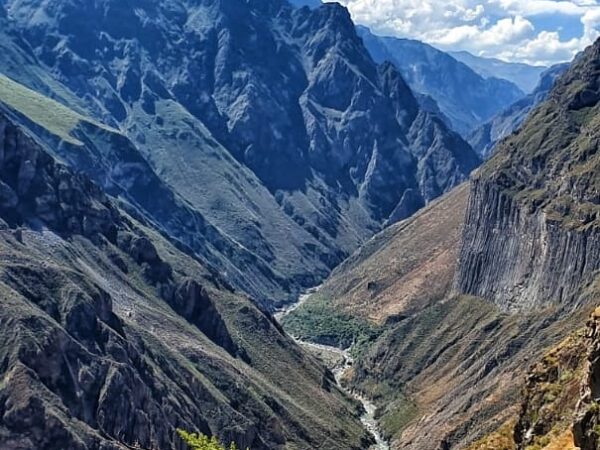
This is where our 4-hour trek starts. We will pass the waterfall of Sipia with its 150 m. cascade. It is amazing to watch & listen to the battle between water & rocks roaring, as the waters with its erosive power step by step washes the rock away, creating an enormous gorge with a depth of 3,535 m. Here, it is worth mentioning that Colca Canyon has a depth of 3,217 m., therefore Cotahuasi is 318 m. deeper!!!
After observing the falls, we will go to the little village of Chaupo. On our way there, we will pass by some fantastic countryside, including the red canyon that receives its name from its red stone color, called "arcilla".
The temperature here oscillates between 25 - 30 degrees Celsius.
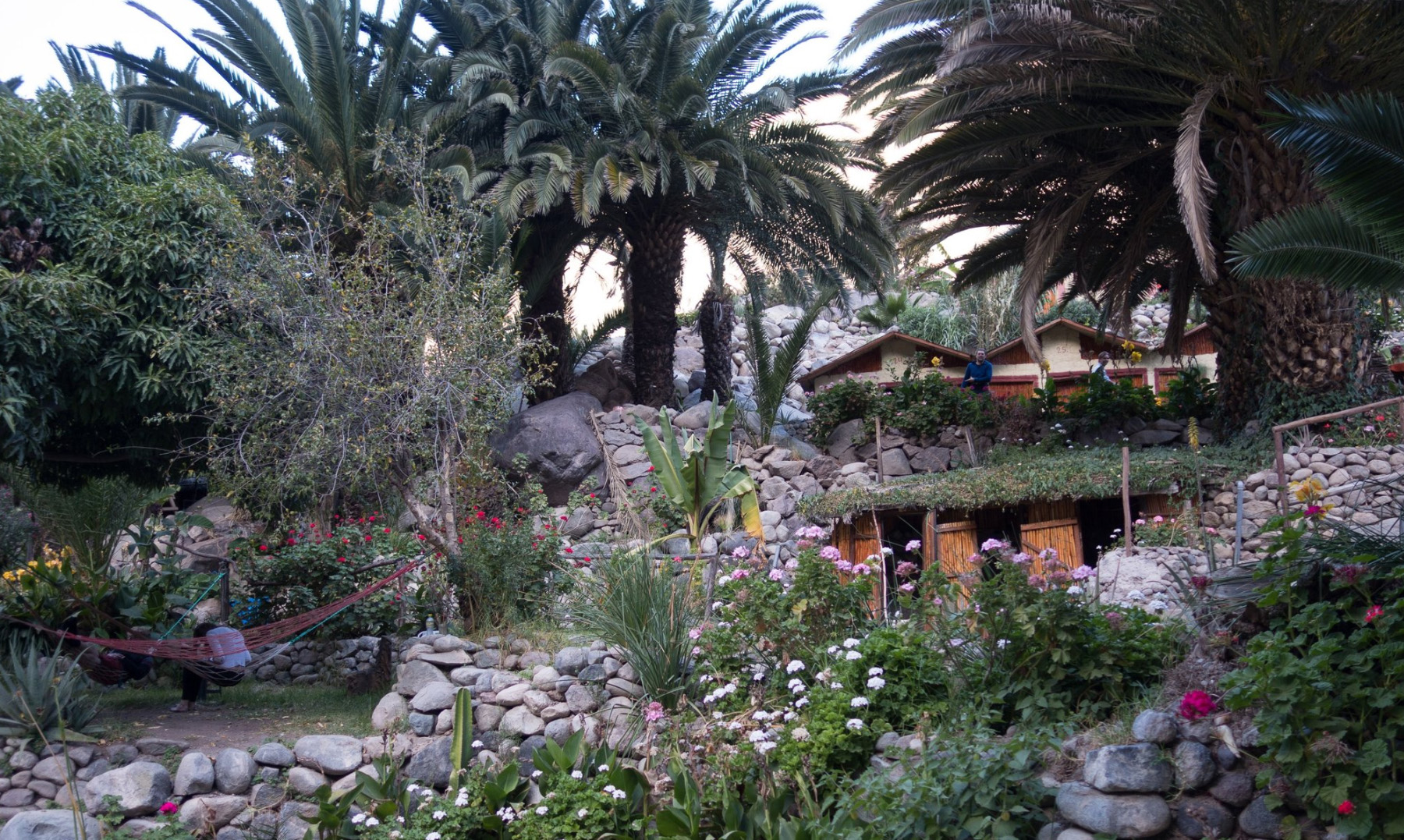
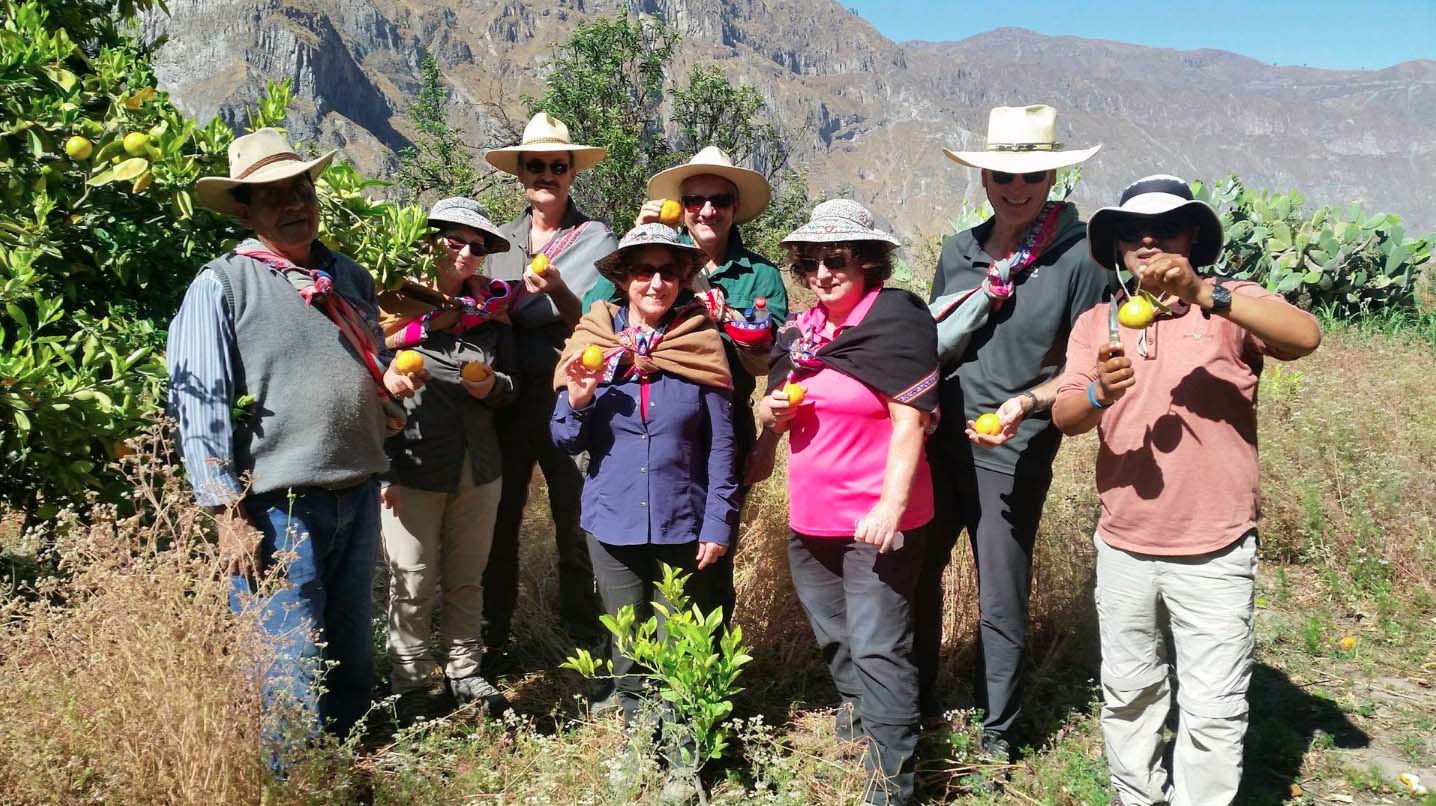
We will stop in the “oasis of Chaupo” where apples, oranges & grapes are grown, and the local wine is produced.
You have the option of making another 3-hour walk to the village of Velinga, depending on your physical condition at the time.
3rd day:
Chaupo Bridge - Sipia - Andahua (visit to Volcano Valley)
In the morning after breakfast, we start our 3-hour hike to the bridge of Sipia, where our truck will be waiting to take us to the Valley of the Volcanos.
On this day, we will be passing close by the snowy Coropuna. After a
4-hour ride, we will arrive at the Valley of the Volcanos, we visit the "Mirador of the Volcanos" and we'll do a small trek: We climb atop one of the small volcanos, where we will spend the night in a basic hotel (family home).
4th day: Volcano Valley – Orcopampa - Chivay - Colca Valley
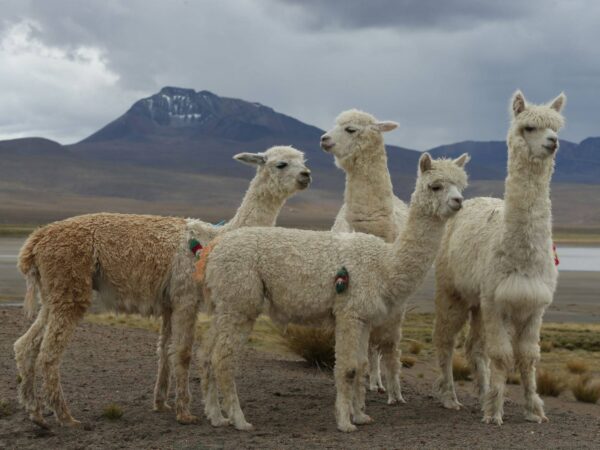
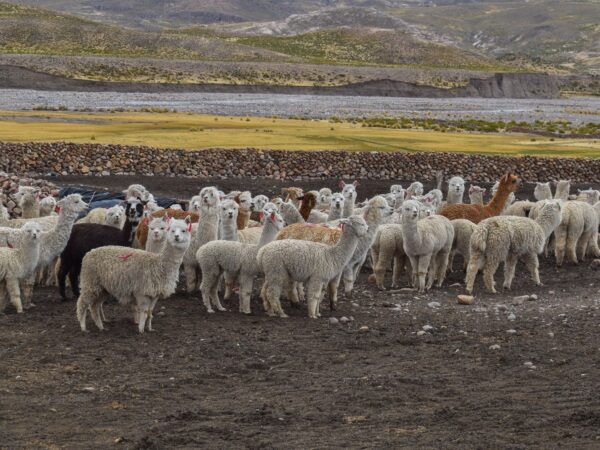
On this day, we go to the village of Orcopampa, then we continue to Chivay (Colca Valley). Between the Volcano Valley & the Colca Valley, we can see andean birds, llamas, alpacas and local people. On this part of the region, you don't see any tourists. Hotel in Chivay.
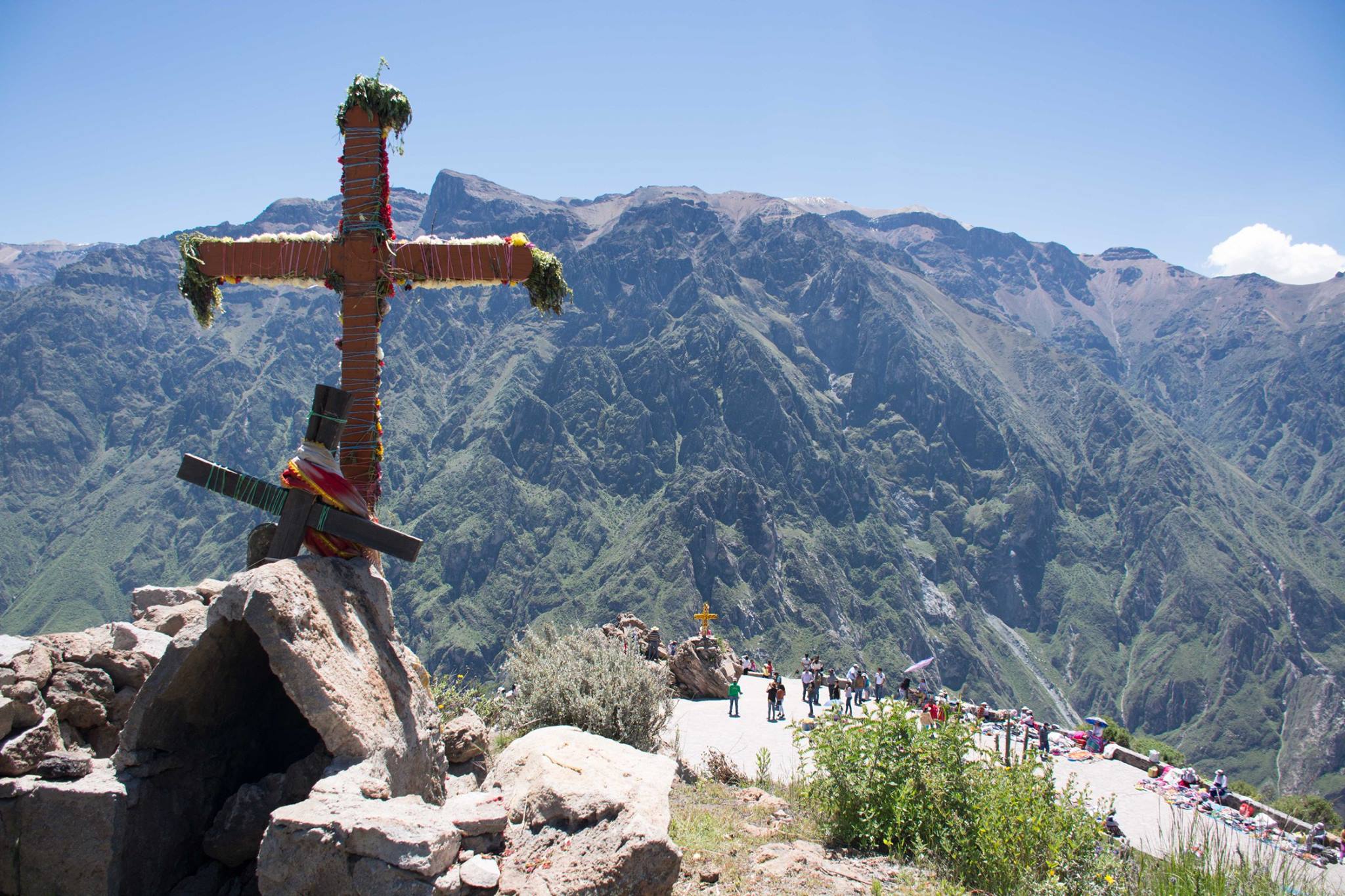
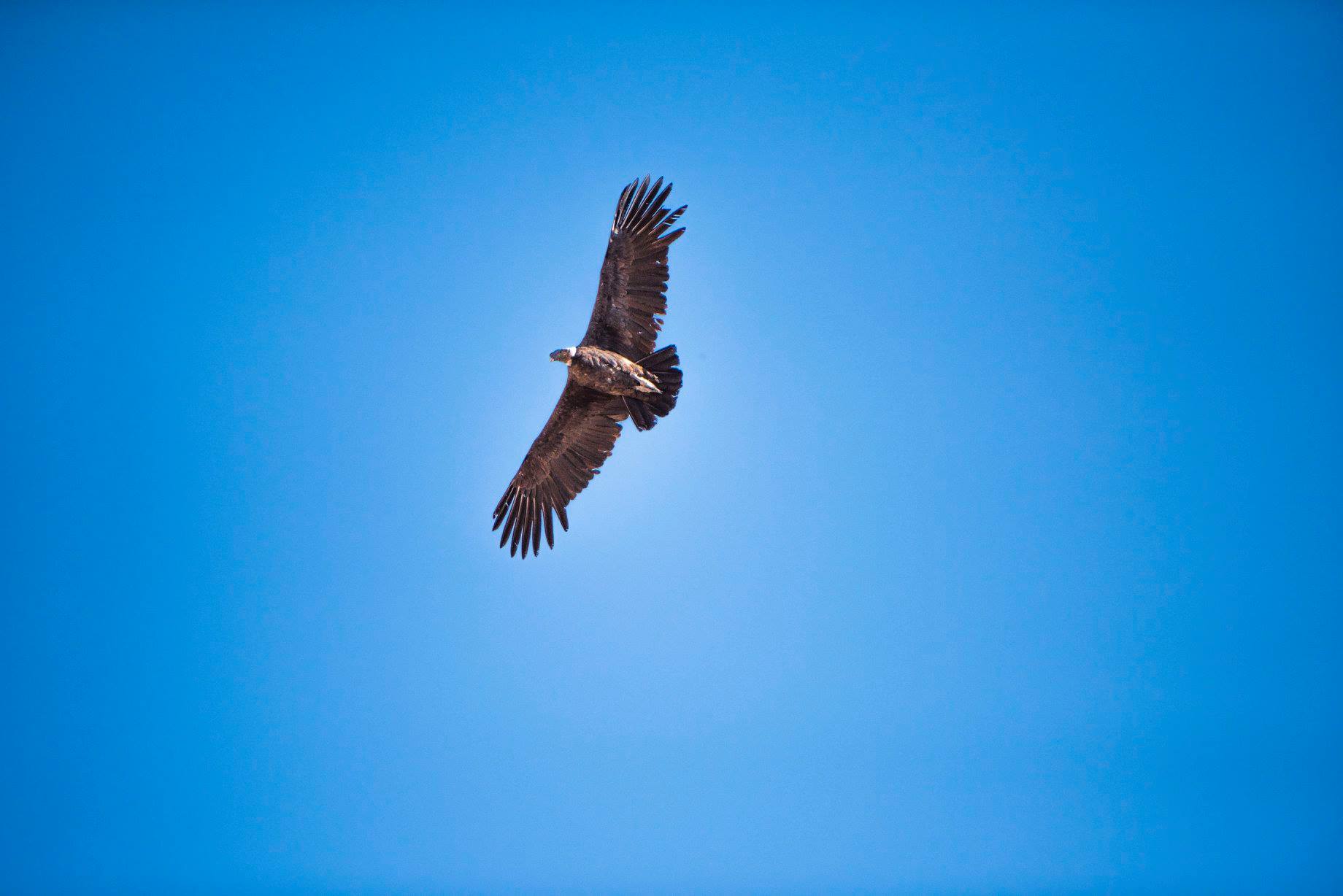
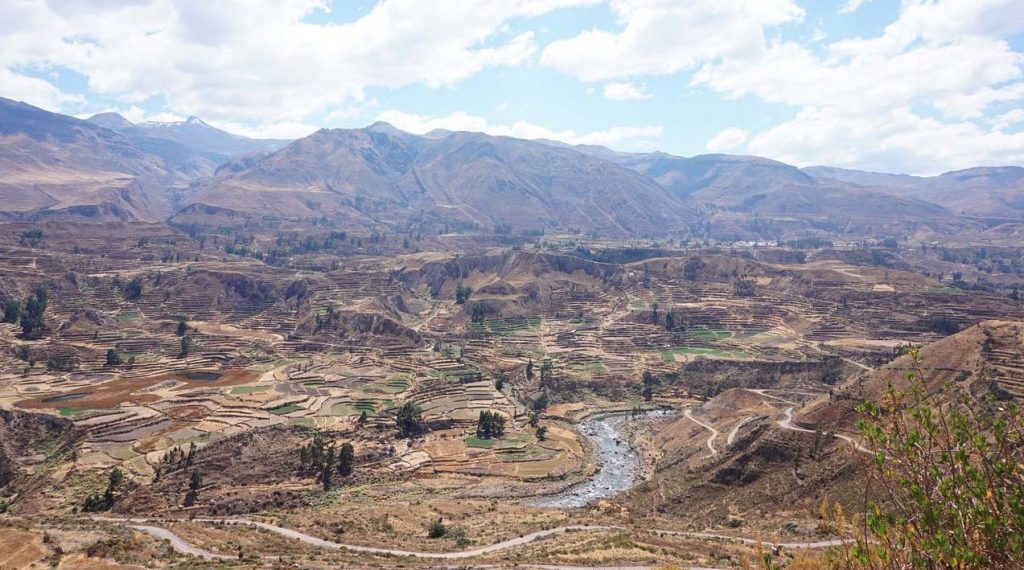
We will go to the Condor Cross to enjoy a glimpse of the condors in their natural habitat, as well as a viewpoint overlooking terraces and the colonial villages of Pinchollo, Maca and Yanque (we visit the Colca valley). Other viewpoints such as Antahuilque and Mollepunku afford us views of pre-Inca terraces and above-ground graves belonging to the Collagua period. Lunch in Chivay (optional hot springs at "La Calera") before we make the return trip to Arequipa, passing by the National Reserve of Aguada Blanca & Salinas on the way back, where we'll see llamas, alpacas and vicuñas. We’ll also make a stop at the 4,912 m. high viewpoint of the Andes.